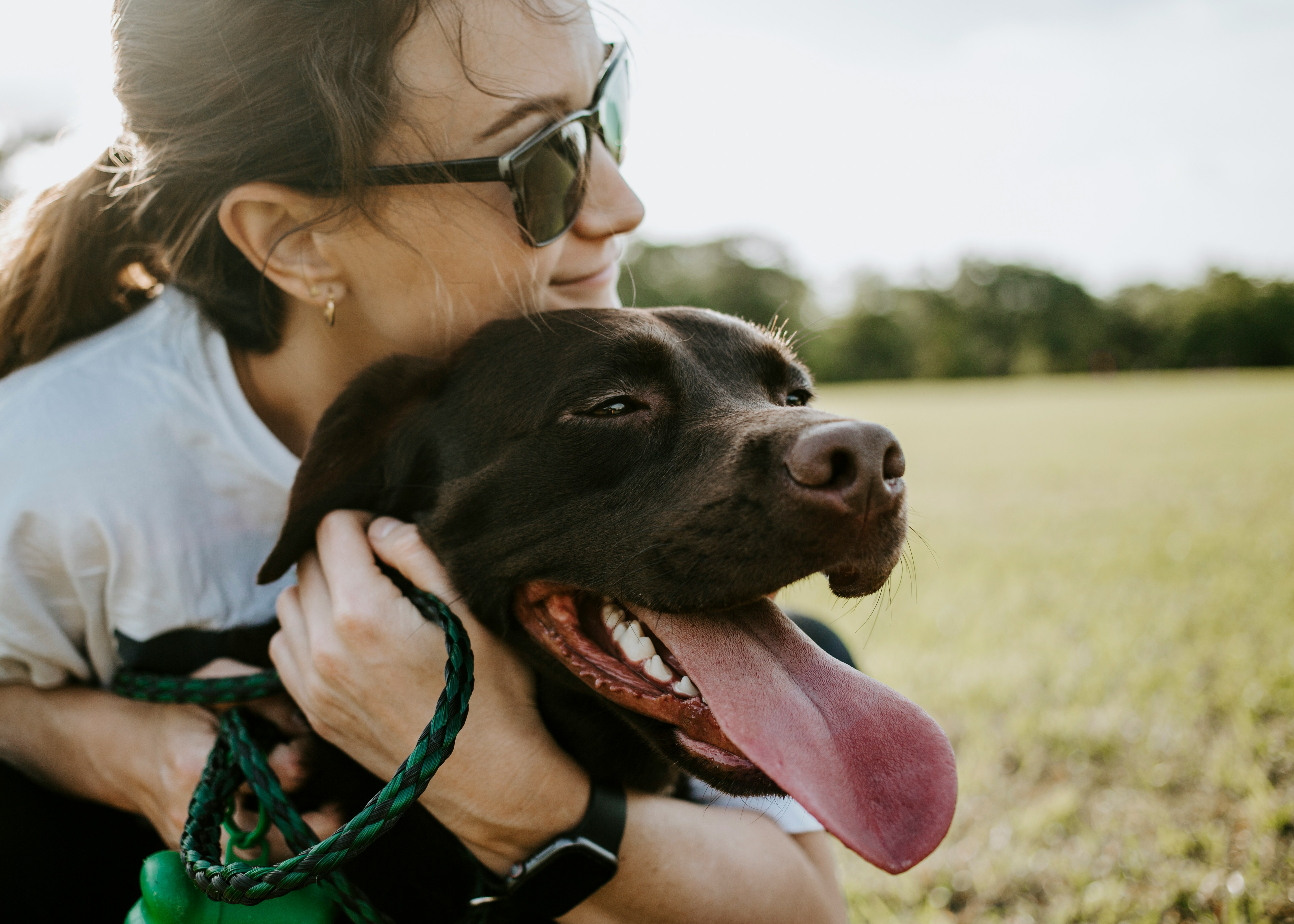


Dog ownership is one of life’s greatest pleasures. Dogs bring companionship, loyalty, and unconditional love into our homes, becoming valued members of the family. However, owning a dog also comes with responsibilities, including ensuring your pet is well-behaved, safe, and confident in a variety of situations.
One of the most effective ways to achieve this is through obedience training. While many people think training is only necessary for puppies or dogs with behavioural issues, the truth is that every dog can benefit from learning basic obedience skills. Training provides much more than teaching a dog to sit or stay—it builds communication, strengthens relationships, improves safety, and supports your dog’s overall wellbeing.
Whether you’ve recently welcomed a new puppy into your home, adopted a rescue dog, or have an older dog that could benefit from additional guidance, obedience training can have a lasting positive impact on both you and your canine companion.
In this article, we’ll explore the many benefits of dog obedience training and why it should be considered an essential part of responsible dog ownership.
What Is Dog Obedience Training?
Obedience training involves teaching a dog to respond reliably to commands and cues given by their owner or handler. Training typically focuses on behaviours that help dogs navigate everyday life safely and appropriately.
Common obedience commands include:
- Sit
- Stay
- Down
- Come
- Leave it
- Heel
- Wait
- Drop it
Modern training methods focus on positive reinforcement, rewarding desirable behaviour with praise, treats, toys, or other rewards that motivate the dog.
Positive training helps dogs learn in a way that is enjoyable, effective, and strengthens the bond between dog and owner.
Improved Communication Between Dog and Owner
One of the greatest benefits of obedience training is improved communication.
Dogs do not naturally understand human language. Training provides a clear system of communication that allows owners to guide their dogs effectively.
Through consistent training, dogs learn what is expected of them, while owners learn how to communicate clearly and reward desired behaviours.
This mutual understanding reduces frustration for both parties and creates a stronger relationship built on trust and cooperation.
The better your dog understands you, the easier daily life becomes.
Enhanced Safety
Safety is one of the most important reasons to invest in obedience training.
A well-trained dog is far less likely to place themselves in dangerous situations.
Reliable commands such as recall (“come”), leave it, and stay can help prevent accidents involving:
- Roads and traffic
- Wildlife
- Other animals
- Toxic substances
- Dangerous objects
- Busy public places
For example, a strong recall command could stop your dog from running into traffic or approaching a potentially hazardous situation.
Training can literally save a dog’s life.
Building Confidence
Many people assume obedience training is only about control, but it also plays an important role in developing confidence.
Dogs thrive when they understand their environment and know how to respond to different situations.
Training provides:
- Structure
- Predictability
- Clear expectations
- Positive experiences
- Opportunities for success
As dogs learn new skills and receive rewards for their efforts, they often become more confident and secure.
This can be particularly beneficial for rescue dogs, nervous dogs, and puppies still learning about the world.
Reducing Problem Behaviours
Many common behavioural issues can be improved through consistent training.
Examples include:
- Jumping up
- Pulling on the lead
- Excessive barking
- Destructive chewing
- Ignoring recall
- Stealing food
- Door rushing
- Overexcitement
Problem behaviours are often the result of confusion, lack of guidance, boredom, or inconsistent boundaries.
Obedience training helps establish clear expectations while teaching alternative behaviours that are more desirable.
The result is often a calmer, more manageable dog.
Strengthening the Human-Dog Bond
Training sessions provide valuable one-to-one time between dogs and their owners.
Every successful interaction builds trust and strengthens your relationship.
Positive reinforcement training encourages cooperation rather than fear or intimidation. Dogs learn that working with their owner leads to enjoyable outcomes.
Over time, this creates a stronger emotional connection and improves overall companionship.
Many owners find training becomes one of their favourite activities to share with their dog.
Better Social Behaviour
Obedience training helps dogs behave appropriately around other people and animals.
Dogs that understand basic commands are often easier to manage in social situations such as:
- Public parks
- Dog-friendly cafes
- Family gatherings
- Veterinary visits
- Grooming appointments
- Walking in busy areas
Training helps dogs remain calm, focused, and responsive even when distractions are present.
This can significantly improve your dog’s ability to participate in everyday activities and adventures.
Mental Stimulation
Dogs need mental exercise just as much as physical exercise.
Training sessions challenge dogs to think, solve problems, and focus on tasks.
Mental stimulation can:
- Reduce boredom
- Improve behaviour
- Increase confidence
- Prevent frustration
- Encourage learning
Many owners are surprised to discover how tiring a short training session can be for their dog.
Just ten to fifteen minutes of focused learning can provide valuable mental enrichment and leave dogs feeling satisfied and relaxed.
Easier Vet and Grooming Visits
Many dogs find veterinary examinations and grooming appointments stressful.
Obedience training can make these experiences much easier.
Commands such as:
- Stand
- Stay
- Wait
- Settle
can help dogs remain calm during handling.
Dogs accustomed to training are often more comfortable with:
- Nail trimming
- Ear cleaning
- Brushing
- Physical examinations
This reduces stress for the dog, owner, and professionals involved in their care.
Greater Freedom for Your Dog
Some owners worry that obedience training limits a dog’s freedom.
In reality, the opposite is often true.
A dog with reliable recall and good manners can safely enjoy:
- Off-lead walks
- Outdoor adventures
- Visits to dog-friendly locations
- Social interactions
Because trained dogs are more predictable and responsive, owners often feel more confident allowing them greater freedom.
Training opens doors to more enjoyable experiences rather than restricting them.
Training Is Beneficial at Any Age
One of the biggest misconceptions about dog training is that it must begin during puppyhood.
While early training is highly beneficial, dogs of any age can learn new skills.
Adult dogs and senior dogs are perfectly capable of:
- Learning commands
- Improving behaviour
- Developing confidence
- Strengthening relationships
Many rescue dogs begin formal training after adoption and go on to become exceptionally well-behaved companions.
It’s never too late to start training.
The Importance of Consistency
Successful obedience training relies on consistency.
All family members should use the same commands and reward desired behaviours in a similar way.
Consistency helps dogs understand expectations and learn more quickly.
Training should also be ongoing rather than viewed as a one-time activity. Even dogs that have mastered basic commands benefit from occasional practice and reinforcement.
Like any skill, training improves with repetition.
Group Classes vs Private Training
Dog owners have several options when it comes to obedience training.
Group Classes
Group classes offer:
- Socialisation opportunities
- Professional instruction
- Exposure to distractions
- Cost-effective learning
Many puppies and adult dogs thrive in structured group environments.
Private Training
Private training may be beneficial for:
- Nervous dogs
- Reactive dogs
- Rescue dogs
- Specific behavioural concerns
One-to-one sessions allow trainers to tailor programmes to individual needs.
The best option depends on your dog’s personality and training goals.
Choosing Positive Reinforcement Training
Modern dog training has evolved significantly over the years.
Positive reinforcement is now widely recognised as one of the most effective and humane training methods.
This approach focuses on:
- Rewarding good behaviour
- Encouraging learning
- Building trust
- Avoiding fear-based techniques
Dogs trained using positive methods often learn faster, enjoy training more, and develop stronger relationships with their owners.
When selecting a trainer, look for someone who uses reward-based methods and prioritises canine welfare.
Final Thoughts
Dog obedience training offers far more than teaching simple commands. It improves communication, strengthens relationships, enhances safety, reduces behavioural problems, and provides valuable mental stimulation.
Whether you have a playful puppy, an energetic adolescent, a newly adopted rescue dog, or a senior companion, training can enrich their life and make everyday interactions more enjoyable.
The time invested in obedience training pays dividends throughout your dog’s life, creating a happier, safer, and more rewarding relationship for both owner and pet.
By committing to consistent, positive training, you’re giving your dog the skills they need to thrive while building a bond that will last a lifetime.