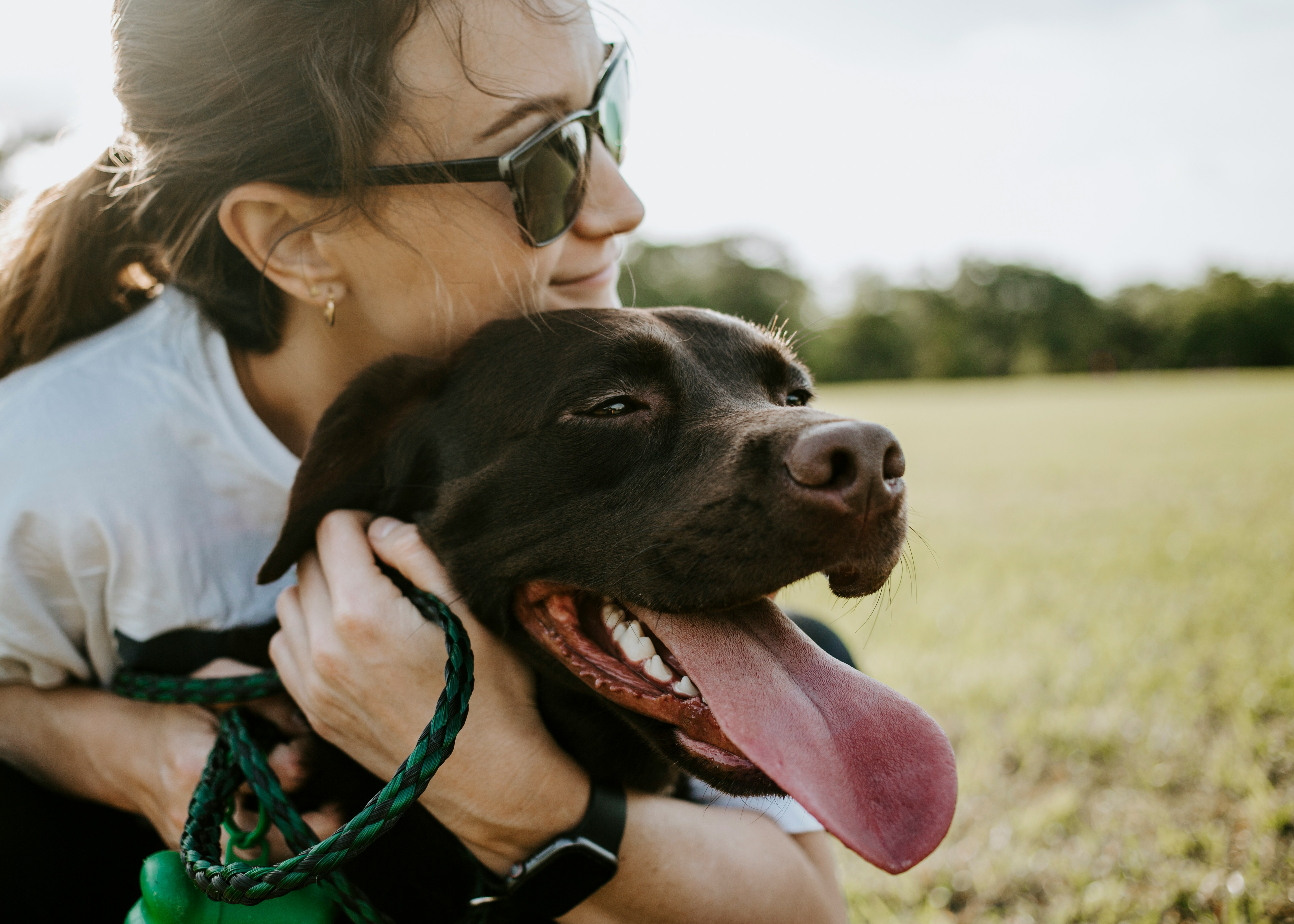


Bringing a rescue dog into your home is one of the most rewarding experiences a pet owner can have. Whether you’re adopting a puppy, an adult dog, or a senior companion, providing a loving home to a dog in need can be life-changing for both you and your new pet.
However, rescue dogs often come with unknown backgrounds, different life experiences, and varying levels of confidence. Some may have lived in loving homes before finding themselves in a shelter through no fault of their own, while others may have experienced neglect, abandonment, or a lack of socialisation.
Preparing your home before your new dog arrives can help reduce stress, support a smooth transition, and set the foundations for a happy and successful relationship. In this guide, we’ll explore everything you need to know to make your rescue dog’s arrival as comfortable and positive as possible.
Understanding the Adjustment Period
Before bringing your rescue dog home, it’s important to understand that the transition may take time.
Many rescue organisations refer to the “3-3-3 Rule” as a general guideline:
- The first 3 days are often spent feeling overwhelmed and uncertain.
- The first 3 weeks are usually when dogs begin settling into routines.
- The first 3 months are often needed for a dog to feel truly comfortable and secure.
Every dog is different, and some may settle much faster while others require additional patience and support. Understanding that adjustment takes time can help manage expectations and prevent disappointment during the early days.
Create a Safe Space
One of the most important things you can do is provide a dedicated safe space where your dog can relax without feeling overwhelmed.
This area might include:
- A comfortable dog bed
- Blankets
- Fresh water
- Favourite toys
- A crate if the dog is crate trained
- A quiet corner away from busy household traffic
Rescue dogs often need a place where they can retreat when they feel tired, anxious, or overstimulated. Allowing them to choose when to interact with family members can help build confidence and trust.
Children should also be taught to respect the dog’s safe space and avoid disturbing them when resting.
Dog-Proof Your Home
Just as you would childproof a home for a toddler, it’s important to dog-proof your environment before your new arrival.
Take time to remove or secure:
- Electrical cables
- Toxic plants
- Cleaning products
- Medications
- Small objects that could be swallowed
- Food left on worktops
- Household chemicals
- Rubbish bins
Dogs explore the world using their mouths, and unfamiliar environments can encourage curiosity. Making your home safe reduces the risk of accidents and helps your dog settle in securely.
Stock Up on Essential Supplies
Having the right equipment ready before your rescue dog arrives can make the transition smoother.
Essential items include:
- Food and water bowls
- High-quality dog food
- Collar and identification tag
- Harness and lead
- Comfortable bed
- Toys
- Treats
- Grooming supplies
- Waste bags
- Pet-safe cleaning products
Ask the rescue centre what food the dog is currently eating and try to maintain consistency initially. Sudden dietary changes can cause digestive upset and add unnecessary stress during the adjustment period.
Establish a Consistent Routine
Dogs thrive on predictability. Establishing a consistent daily routine can help your rescue dog feel safe and secure.
Try to maintain regular times for:
- Feeding
- Walks
- Toilet breaks
- Playtime
- Rest
- Bedtime
Routine helps dogs understand what to expect and reduces anxiety. Consistency is especially important during the first few weeks when everything else in their life feels unfamiliar.
The more predictable their environment becomes, the more quickly many rescue dogs settle into their new home.
Introduce Family Members Gradually
While it’s natural to be excited about your new dog, introducing them to an entire household at once can sometimes feel overwhelming.
Allow your dog to meet family members gradually and at their own pace.
Encourage calm interactions and avoid:
- Loud voices
- Crowding the dog
- Excessive hugging
- Forced physical contact
Some dogs may seek attention immediately, while others need time to build trust. Respecting their comfort level helps create positive associations and prevents unnecessary stress.
Be Patient With House Training
Even if a rescue dog was previously house trained, accidents can happen during the adjustment period.
Stress, unfamiliar surroundings, and changes in routine can all contribute to temporary setbacks.
To support successful house training:
- Provide frequent toilet opportunities.
- Reward appropriate behaviour.
- Maintain a regular schedule.
- Supervise closely indoors.
- Avoid punishment for accidents.
Punishment can damage trust and increase anxiety. Positive reinforcement is generally the most effective and humane approach.
Most dogs adapt quickly once they understand their new routine and environment.
Introduce Other Pets Carefully
If you already have pets, introductions should be managed carefully to maximise the chances of success.
Whenever possible:
- Conduct introductions in neutral locations.
- Keep dogs on leads initially.
- Allow gradual interaction.
- Supervise all meetings.
- Provide separate resources such as food bowls and beds.
Avoid forcing interactions or expecting immediate friendships.
Some dogs become best friends quickly, while others require weeks or even months to develop comfortable relationships. Patience and careful management are key.
Allow Time for Decompression
One common mistake new owners make is overwhelming their rescue dog with too much activity immediately after adoption.
While it may be tempting to introduce them to friends, family, parks, and busy environments right away, many dogs benefit from a period of decompression.
During the first few weeks:
- Keep outings simple.
- Limit visitors.
- Focus on routine.
- Allow plenty of rest.
- Build trust gradually.
Think of it as giving your dog time to settle into their new life before expecting them to navigate numerous new experiences.
Start Positive Training Early
Training isn’t just about teaching commands—it’s also a powerful way to build communication and trust.
Simple exercises such as:
- Sit
- Stay
- Come
- Leave it
- Loose lead walking
can help establish positive interactions and boost confidence.
Keep training sessions short, enjoyable, and reward-based. Rescue dogs often respond exceptionally well to positive reinforcement methods that focus on encouragement rather than punishment.
Training also provides valuable mental stimulation and helps strengthen your relationship.
Watch for Signs of Stress
It’s normal for rescue dogs to display some signs of stress while adjusting.
Common indicators include:
- Excessive sleeping
- Pacing
- Panting
- Whining
- Hiding
- Reduced appetite
- House-training accidents
- Increased clinginess
Understanding these behaviours as part of the adjustment process can help you respond appropriately.
If signs of stress persist or worsen, consult your veterinarian or a qualified canine behaviour professional for advice.
Schedule a Veterinary Check-Up
Even if your rescue organisation has already arranged veterinary care, it’s wise to register your dog with a local veterinary practice shortly after adoption.
A health check can help:
- Establish a baseline for future care.
- Discuss vaccination schedules.
- Address any medical concerns.
- Review diet and exercise needs.
- Ensure parasite prevention is up to date.
Regular veterinary care plays an essential role in maintaining your dog’s long-term health and wellbeing.
Building Trust Takes Time
Perhaps the most important thing to remember is that trust cannot be rushed.
Some rescue dogs arrive confident and outgoing, while others may have experienced challenges that affect how quickly they form new relationships.
Trust is built through:
- Consistency
- Kindness
- Patience
- Positive experiences
- Respect for boundaries
Allow your dog to progress at their own pace and celebrate small milestones along the way.
Over time, many rescue dogs transform into affectionate, loyal companions who thrive in their new environment.
The Rewards of Rescue Dog Ownership
While adopting a rescue dog can require patience and understanding, the rewards are often extraordinary.
Watching a nervous dog gain confidence, seeing their personality emerge, and knowing you’ve given them a second chance at life creates a sense of fulfilment that few experiences can match.
Many rescue dog owners describe the bond they develop with their adopted pet as incredibly special. These dogs often seem to understand that they have been given a fresh start and respond with remarkable loyalty and affection.
Every rescue dog has a story. By opening your home and heart, you become part of their next chapter.
Final Thoughts
Preparing your home for a new rescue dog involves much more than buying supplies and setting up a bed. It requires patience, planning, understanding, and a commitment to helping your new companion adjust at their own pace.
By creating a safe environment, establishing routines, providing positive experiences, and allowing time for trust to develop, you can help your rescue dog settle successfully into their forever home.
The journey may not always be perfect, but the rewards of rescue dog ownership are immeasurable. With love, consistency, and patience, you’ll be giving your new best friend the opportunity to enjoy the happy and secure life they deserve.