
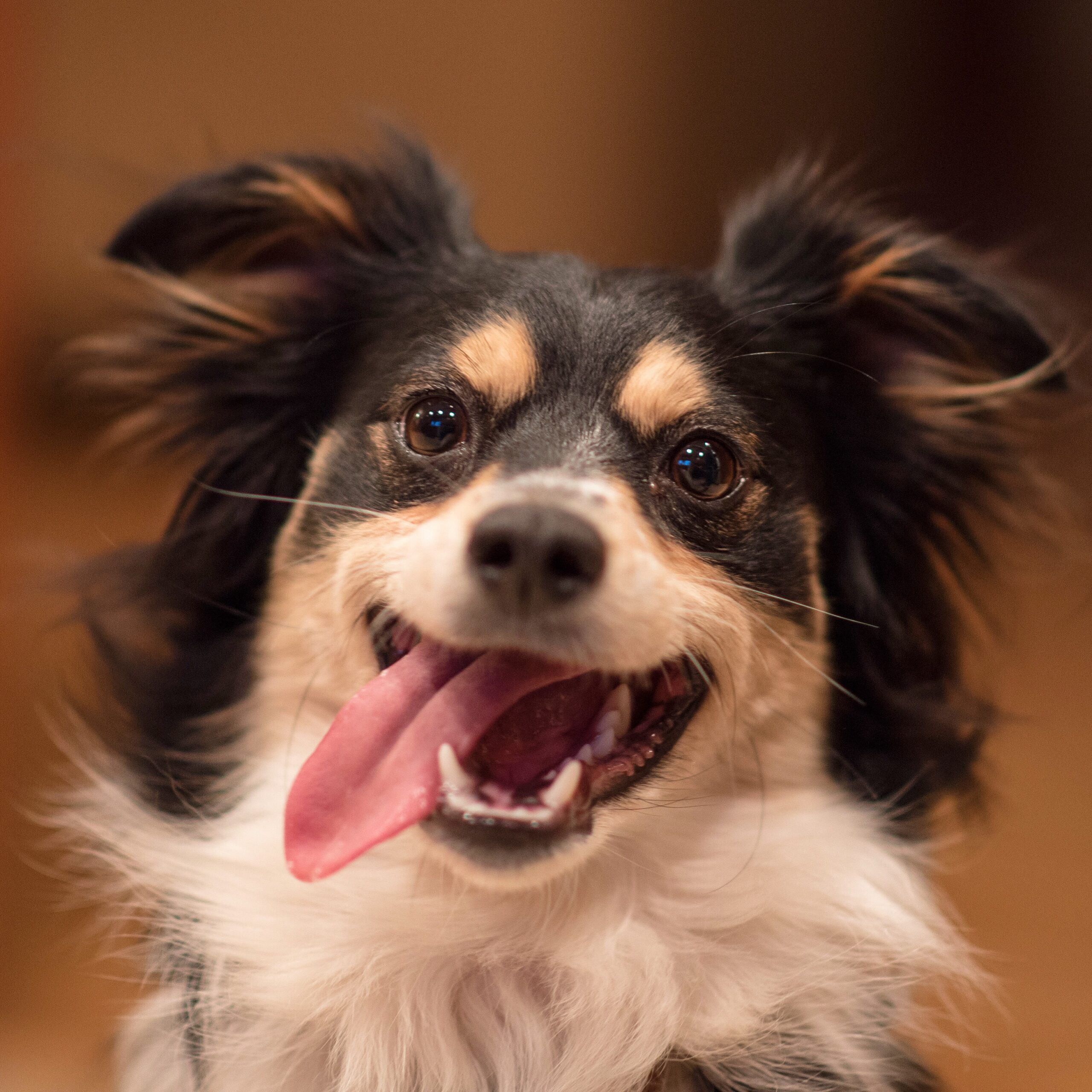
Dogs are naturally active, curious and social animals that benefit from opportunities to explore their surroundings. Whether your companion is a lively Labrador, a playful spaniel, a gentle greyhound or a smaller breed with a big personality, regular walking can play an important role in their overall wellbeing.
At Pawsome Companions Ltd, we believe dog walking should be about more than simply getting from one place to another. A good walk provides opportunities for exercise, mental stimulation, exploration and positive interaction with the environment.
For many owners across the UK, balancing work, family life and daily responsibilities can make maintaining a consistent walking routine challenging. Understanding the benefits of appropriate exercise can help you make informed decisions about your dog’s daily care.
Regular physical activity is an essential part of responsible dog ownership. Exercise helps maintain muscle strength, supports joint mobility, contributes to cardiovascular fitness and assists with healthy weight management.
However, exercise requirements vary considerably between individual dogs. Age, breed, health, fitness and temperament all influence the type and amount of activity that is suitable.
A young, energetic working breed may enjoy longer periods of activity, while an older dog with mobility difficulties may benefit from shorter, gentler walks.
Rather than following a universal exercise target, owners should observe their dog’s comfort and discuss any health-related restrictions with their veterinary surgeon.
Consistency is often more helpful than occasional bursts of excessive activity. A manageable routine allows dogs to remain active without placing unnecessary strain on their bodies.
Maintaining a healthy body condition is important for a dog’s long-term wellbeing. Excess weight can place additional pressure on joints and may contribute to several health problems.
Regular walking helps dogs use energy and maintain physical fitness, but exercise should always be combined with appropriate nutrition.
Portion sizes, treats and overall calorie intake influence weight just as much as activity levels.
Owners who are concerned about their dog’s weight should seek veterinary guidance before making major changes to feeding or exercise routines.
A professional dog walker can support an agreed activity plan by providing consistent, suitable walks.
Weight management should never involve forcing an unfit or overweight dog into strenuous exercise. Gradual, appropriate changes are generally safer and more sustainable.
Dogs experience much of their world through scent. A walk filled with interesting smells can be mentally enriching, even when the distance covered is relatively short.
Sniffing allows dogs to investigate their surroundings and gather information about other animals and environmental changes.
Giving dogs appropriate opportunities to stop and explore can make walks more rewarding.
For this reason, a relaxed sniffing walk may provide greater mental enrichment than a hurried outing focused entirely on distance.
Different routes, suitable natural environments and gentle changes in routine can add variety.
Mental stimulation is particularly valuable for dogs that spend substantial periods indoors.
Every dog has different preferences and physical capabilities.
Some enjoy energetic walks across open countryside, while others prefer quieter neighbourhood routes where they can explore at a comfortable pace.
Breed characteristics can influence activity preferences, but they should never be treated as the only consideration.
Two dogs of the same breed may have completely different exercise requirements because of differences in age, health and personality.
Owners should consider how their dog responds during and after exercise.
Signs of excessive exertion may include unusual fatigue, reluctance to continue, limping, heavy panting or difficulty recovering after activity.
A responsible walker should adjust the pace and duration when necessary and seek veterinary assistance if concerning symptoms occur.
Dogs often benefit from predictable daily routines.
Regular walking times can help establish a familiar structure around feeding, resting and other activities.
A consistent routine may also help owners manage toilet opportunities and provide planned periods of exercise.
However, flexibility remains important. Weather conditions, illness and changes in a dog’s wellbeing may require adjustments.
Some dogs become frustrated when their routines change unexpectedly, while others adapt more easily.
Providing appropriate enrichment at home can help when a normal walk is shortened or postponed.
Consistency should support wellbeing rather than create rigid expectations that ignore an animal’s needs.
Appropriate exercise and enrichment can contribute to balanced behaviour by helping dogs meet their physical and mental needs.
A dog that has opportunities to explore, sniff and engage in suitable activities may be better able to settle afterwards.
However, behavioural problems should not automatically be attributed to insufficient exercise.
Excessive barking, destructive behaviour, reactivity or difficulty being left alone may have several causes, including anxiety, frustration, pain or environmental factors.
Simply increasing exercise may not resolve these difficulties and could sometimes make matters worse.
Owners experiencing persistent behavioural concerns should seek advice from a veterinary professional or suitably qualified, reward-based behaviour specialist.
A dog walker should follow agreed handling and training instructions rather than attempt unapproved behavioural interventions.
Individual and group dog walks can offer different experiences.
An individual walk may be particularly suitable for dogs that need a quieter environment, require a specific pace or find unfamiliar animals stressful.
One-to-one walking also allows the walker to focus on the dog’s individual routine and preferences.
Group walks may provide enjoyable company for dogs that are comfortable around suitable companions.
However, not every dog enjoys group interaction. Some prefer human companionship and the freedom to explore without other dogs nearby.
Safe group walking requires careful assessment of temperament, size, compatibility and handling arrangements.
Owners should ask how groups are selected, supervised and transported.
The best option is the one that meets the individual dog’s needs safely.
Puppies need opportunities for movement, exploration and age-appropriate socialisation.
However, their growing bodies require additional consideration.
Excessive forced exercise, repetitive high-impact activity and prolonged strenuous outings may be unsuitable for young dogs.
Exercise should be adapted to the puppy’s stage of development, breed and veterinary guidance.
Short outings that allow sniffing, gentle exploration and positive experiences can be valuable.
Puppies also require frequent rest, and signs of tiredness should be respected.
Vaccination status and local disease risks should be discussed with a veterinary surgeon before taking a young puppy into public environments.
Older dogs can continue enjoying regular walks, although their needs may change over time.
Age-related conditions, including arthritis and reduced mobility, can affect comfort and stamina.
Gentle, manageable walks may help maintain mobility and provide valuable mental stimulation.
Owners should monitor their senior dog’s willingness to move, walking speed and recovery after exercise.
A dog that begins slowing down or avoiding familiar activities may be experiencing discomfort rather than simply becoming lazy.
Veterinary assessment is important when mobility or behaviour changes.
Senior dogs may benefit from shorter, more frequent outings and routes with suitable surfaces.
Comfort and enjoyment should always take priority over distance.
The UK’s changing weather creates different considerations throughout the year.
During warm weather, dogs can become dangerously overheated, particularly during strenuous activity.
Walks may need to be moved to cooler parts of the day, shortened or replaced with appropriate indoor enrichment.
Hot pavements can also damage paw pads.
In winter, cold temperatures, ice and poor visibility may require additional precautions.
Some dogs benefit from suitable coats, while others are comfortable without them.
Wet conditions can make surfaces slippery and increase the importance of drying and checking paws after walks.
Weather decisions should reflect the individual dog’s needs rather than a fixed schedule.
Responsible dog walking helps protect pets, people, wildlife and the wider community.
Dogs should be kept under appropriate control, and owners or walkers must follow local restrictions and relevant legislation.
In England and Wales, public space protection orders may impose specific rules in certain locations.
Livestock areas require particular care. Dogs should not be allowed to chase or disturb farm animals.
Wildlife habitats, nesting birds and sensitive natural areas should also be respected.
Cleaning up dog waste is an essential part of responsible walking.
A good walker understands that enjoyable exercise must be balanced with public safety and consideration for others.
Comfortable, properly fitted equipment can make walks safer and more enjoyable.
Many dogs benefit from a well-fitted harness that allows natural movement without rubbing or restricting the shoulders.
Leads should be suitable for the dog’s size, strength and behaviour.
Identification is also important. In the UK, dogs in public places generally need a collar displaying the owner’s name and address, subject to applicable exemptions.
Microchipping is a separate legal requirement and should not be confused with collar identification.
Equipment should be checked regularly for wear, damage and correct fit.
Owners should explain any special handling requirements before arranging professional walking.
Professional dog walking can provide practical support for owners who work long hours, have mobility limitations or need help maintaining a suitable routine.
A walker can offer planned exercise, companionship and opportunities for enrichment.
However, choosing a provider requires careful consideration.
Ask about experience, insurance, emergency procedures, group sizes, transport arrangements and how dogs are assessed before walking together.
Clear communication about behaviour, recall, health and individual preferences is essential.
Owners should also understand cancellation policies, pricing and the arrangements for extreme weather.
Reliable dog walking begins with appropriate planning and realistic expectations.
Before the first booking, share information about your dog’s routine and temperament.
Explain whether your dog is comfortable around other animals, unfamiliar people, traffic and busy environments.
Provide details of any medical conditions, dietary restrictions or mobility concerns.
Make sure the walker understands your preferred equipment and whether your dog must remain on a lead.
Emergency contact details and veterinary information should be available.
An introductory meeting can help assess compatibility and discuss the most appropriate walking arrangement.
Some dogs may need a gradual introduction before they feel comfortable leaving home with an unfamiliar person.
An enjoyable walk should leave a dog appropriately stimulated without excessive exhaustion or distress.
Dogs may show interest in their surroundings, explore willingly and appear comfortable with their walker.
Afterwards, many settle down to rest.
However, every dog communicates differently. A dog that becomes unusually withdrawn, reluctant to walk or distressed around equipment may need further assessment.
Owners should remain attentive to changes in behaviour.
A responsible walker should provide relevant feedback and be willing to adapt arrangements.
Walking is important, but it is only one part of a dog’s daily wellbeing.
At home, dogs may enjoy food puzzles, scent games, appropriate chew items and gentle training activities.
These experiences can provide mental stimulation on days when outdoor activity is limited.
Rest and opportunities for calm interaction are equally valuable.
Some dogs become overstimulated when every waking moment is filled with activity.
A balanced routine should include exercise, enrichment, social interaction and uninterrupted rest.
Dog walking is about far more than covering a particular distance.
It provides opportunities for movement, exploration, enrichment and positive experiences.
The most suitable walking routine is one that respects the dog’s age, health, personality and individual preferences.
At Pawsome Companions Ltd, we believe thoughtful dog walking should support both physical wellbeing and everyday happiness.
Looking for reliable dog walking support? Contact Pawsome Companions Ltd to discuss your dog’s routine, individual requirements and available walking services.
Pawsome Companions Ltd – Happy Paws, Happy Walks, Happy Dogs.