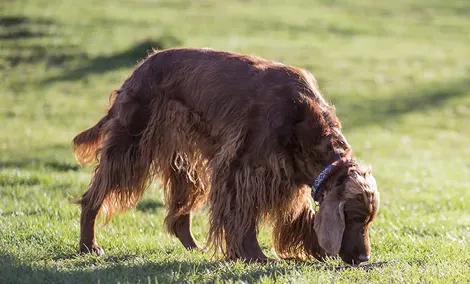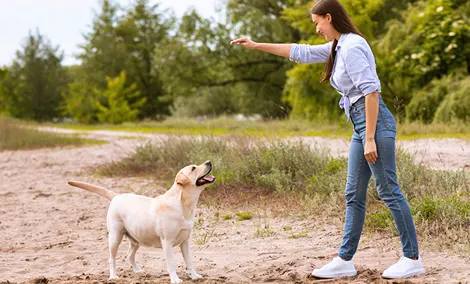

Somewhere in the UK right now, a dog with a greying chin is waiting in a kennel, listening—really listening—for footsteps that might stop at their door. Not a puppy. Not a whirlwind of needles-for-teeth and “what’s that in your mouth?” Not a blank-slate project. This is a dog with a life behind them: a quiet history, a few habits, a soft gaze that says, I know how the world works… and I still choose hope.
Senior dogs are often overlooked for the same reason they’re extraordinary: they arrive with depth. And in a culture obsessed with “new,” choosing an older dog is an act of gentle rebellion—practical, compassionate, and oddly life-enhancing.
If you’ve ever wondered whether adopting a senior dog in the UK is “worth it,” let’s flip the question: what if an older dog is exactly what your home has been missing?
1) Their Temperament Is a Known Quantity (Translation: Fewer Surprises, More Peace)
Puppies are potential. Senior dogs are reality—in the best possible way.
In many UK rescues, older dogs have already been assessed for:
- comfort around strangers and visitors
- reactions to other dogs on lead (hello, narrow pavements)
- ability to settle at home
- tolerance of handling and basic grooming
- noise sensitivity (doorbells, buses, school-run chaos)
Why it matters: You’re not gambling on what your dog might become. You’re meeting who they already are.
Practical advice: Ask the rescue specific questions:
- Can they be left alone, and for how long?
- Are they house-trained?
- Do they guard food, toys, or spaces?
- Have they lived with children or cats?
The more you know, the better the match—and the easier the transition.
2) Many Senior Dogs Are Already Trained (or Close Enough to Feel Like a Miracle)
Training a puppy can be wonderful. It can also be… a full-time hobby. Senior dogs often arrive with skills that make day-to-day life smoother immediately:
- house training (often solid)
- basic cues like sit, stay, down
- lead manners (sometimes imperfect, but workable)
- bedtime routines
- car travel experience
And there’s something quietly thrilling about it: a dog who simply gets it. A dog who doesn’t treat your living room like a chewable escape room.
Practical advice: Keep training going, but shift the goal from “perfect obedience” to “easy coexistence.”
- Reward calm behaviour (settling is gold).
- Use short, positive sessions—especially if joints are stiff.
- Consider a local reward-based trainer if you need help with recall, pulling, or reactivity.
3) They Fit Real UK Life: Work Schedules, Smaller Homes, and Rainy Tuesdays
Not every household wants (or can sustain) the high-octane needs of a young dog. In the UK, many people juggle:
- commuting
- hybrid work
- school drop-offs
- limited garden space
- unpredictable weather
Senior dogs often align beautifully with this reality because many are:
- less demanding of constant stimulation
- happier with moderate exercise
- content to snooze while you work
- calmer indoors (the holy grail for flats and terraces)
This isn’t about doing less—it’s about doing what matters: consistent walks, gentle enrichment, companionship.
Practical advice: Build a “senior-friendly rhythm.”
- Two or three shorter walks can beat one long march.
- Sniffing time is exercise—let them read the world.
- Provide enrichment that doesn’t require Olympic joints: lick mats, scatter feeding, puzzle toys.
4) You’re Not Just Adopting a Dog—You’re Solving a Welfare Problem
Here’s the uncomfortable truth: senior dogs are often harder to rehome. They can be passed over for younger dogs again and again, even when they’re affectionate, calm, and desperately ready for home life.
When you adopt a senior, you’re doing something immediate and tangible:
- freeing up rescue space
- reducing kennel stress for an older animal
- making room for another dog to be saved
- sending a powerful signal that older lives have value
In the UK, rescue centres and charities work tirelessly—often under pressure. Choosing a senior dog can be one of the most direct ways to help the system breathe.
Practical advice: Ask about “oldies” programmes. Many UK rescues:
- offer reduced adoption fees for seniors
- provide post-adoption support
- include trial periods or foster-to-adopt options
- have partnerships for veterinary support in some cases
5) The Love Is Different: Quieter, Deeper, and Honestly… Unforgettable
Senior-dog love doesn’t always announce itself with backflips. It can be subtle, steady, and almost startling in its sincerity.
It looks like:
- following you from room to room—not with chaos, but devotion
- choosing to rest near you, even if the bed is more comfortable
- a slow wag when you speak their name
- trust returning in layers
And then there’s the part people don’t always say out loud: adopting a senior dog can change how you experience time. You stop rushing. You notice the small wins. You become fluent in gratitude.
Practical advice: Prepare to support ageing well:
- Invest in a good orthopaedic bed and non-slip mats.
- Keep nails trimmed to improve traction.
- Ask your vet about joint support, dental care, and weight management.
- Consider pet insurance early, or set up a dedicated savings pot for vet costs.
10 Reasons to Adopt a Senior Dog in the UK (Quick, Clear, Convincing)
- Their personality is already formed—what you see is what you get.
- They’re often house-trained and understand home routines.
- Lower exercise demands can suit UK lifestyles and smaller homes.
- Calmer energy makes daily life more manageable (and quieter).
- They’re frequently overlooked, so your adoption has big impact.
- They can be excellent companions for older adults and families alike.
- You can skip the puppy chaos (chewing, teething, night waking).
- They’re often more focused and responsive—less distracted, more connected.
- You’ll likely get strong rescue support, as charities want senior placements to succeed.
- The bond can be extraordinary, because you’re giving comfort when it’s needed most.
Conclusion: A Senior Dog Doesn’t Need “Saving”—They Need Belonging
Adopting a senior dog in the UK is equal parts heart and head. It’s compassionate, yes—but it’s also practical: steadier temperaments, fewer surprises, often-solid training, and an easier fit for real-life schedules. Most of all, it’s meaningful. You’re giving a dog a home at a stage when comfort matters, when stability matters, when being chosen matters.
And in return? You get a companion with depth. A presence that softens the edges of your day. A love that doesn’t shout—but stays.
If you want a dog who feels like a friend from the moment they walk in, consider the one with the grey muzzle. They’ve been waiting. And they are ready.
SEO Keywords
adopt a senior dog UK, senior dog adoption UK, reasons to adopt an older dog, benefits of adopting a senior dog, old dog rescue UK, senior dog rehoming UK, adopting an older dog UK, senior dogs for adoption near me UK, rescue senior dog UK, best pets for calm households UK, older dog care tips UK, senior dog health UK, rehome a senior dog UK, rescue dog advice UK